Sound design in pokies is often treated as decoration, but from a simulation в структуре организации perspective it changes how a session reads on the screen. When I model hit frequency and near-miss patterns for Easygo Gaming, the audio cue is part of the feedback loop, not just mood music. If your speakers are muddy or your headphones are clipping the low end, you lose the distinction between a regular spin and a feature trigger, and that matters when you are trying to read a machine honestly. Australian venues are noisy places, and the best sound settings pokies can offer still need a clean signal path to land properly.
Over the past decade I have run thousands of virtual RNG cycles to check how volatility reads under different audio profiles, and the pattern is consistent: compressed, bass-heavy mixes flatten the sense of risk. A high-volatility title should feel spaced out, with clear gaps between payouts, while low-volatility games need tighter rhythmic feedback so the pace does not drift. When the audio is tuned well, you can tell the difference between a random feature drop and a long dry run without watching the paytable the entire time. That is the practical value of getting the settings right, not chasing some mythical edge.
Why Audio Clarity Changes How a Session Feels
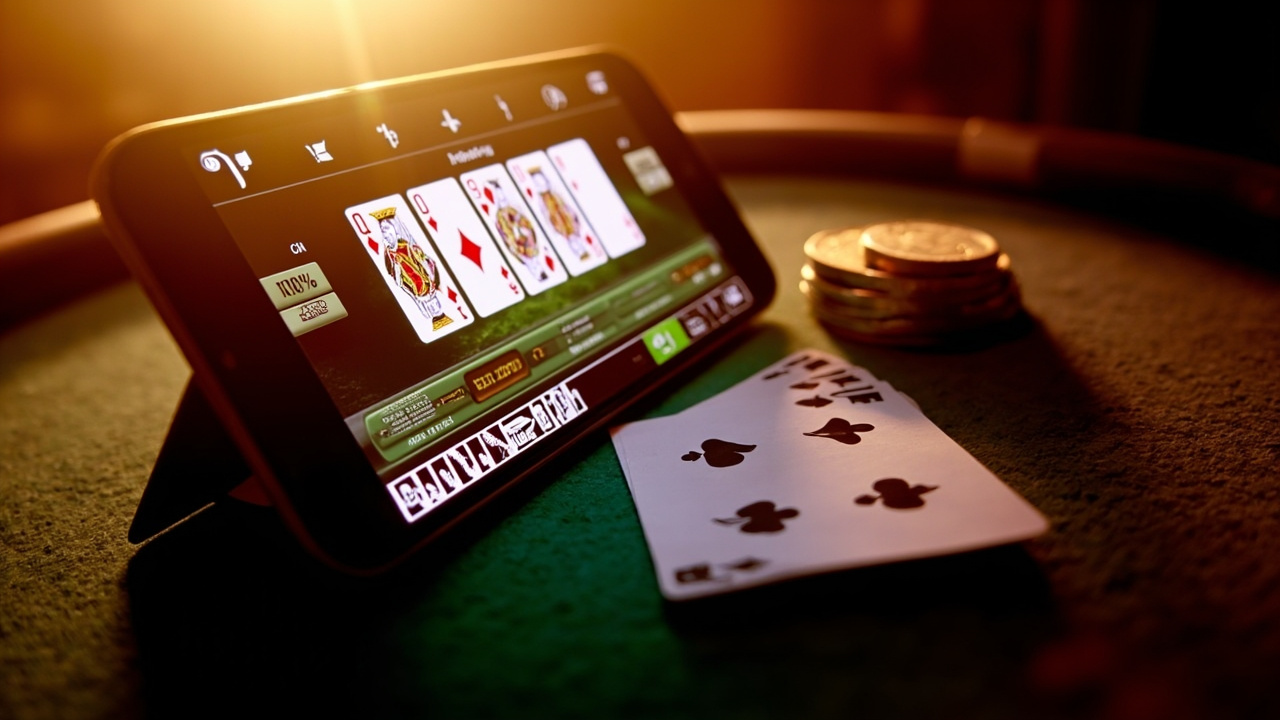
The first thing to sort out is the signal chain, because a pokies interface can look sharp and still sound flat if the output is garbled. Most players run the default browser or app volume, which is fine for a quiet arvo at home but rarely enough for a busy club environment. I usually recommend setting the device volume to around seventy to eighty percent and letting the game master volume sit slightly lower, because that keeps the transient spikes from clipping when a bonus round hits. Clipping distorts the attack of the sound, and once that happens the timing cues that help you track a session start to smear together.
There is a difference between what a developer intends and what you actually hear through a phone speaker or a club PA, and that gap is where bad settings do their damage. A well-mixed pokie will keep the payout chime separate from the reel noise, so you can hear a win land even when the background is busy. If you are on a laptop, the built-in speakers often roll off the mids, which makes regular spins and feature triggers sound almost identical. Moving to a decent pair of headphones or a small external speaker does not change the maths, but it does let you read the game as it was designed, and that is worth doing before you blame the machine for being confusing.
Tuning Volume, Bass and Treble for Pokies Play
Getting the balance right is mostly about stopping the bass from swallowing everything else. Pokies soundtracks are mixed to sound full on a club system, which means they carry a lot of low-end energy that does not translate well to a phone or a cheap speaker. I tend to pull the bass back a touch and lift the treble slightly, because the payout cues and feature sounds usually live in the upper midrange. That is not about making the game louder; it is about keeping the distinct sounds distinct so the session feels legible instead of muddy.
If you are using a desktop or a tablet, check whether the device has its own equaliser and set it to a flat or slightly bright profile rather than a preset that boosts the lows. The same idea applies on mobile, where the default output is often tuned for music and podcasts rather than short, sharp game cues. I have seen players turn the volume up so high that the feature chime distorts, then complain the game feels repetitive, when the real issue was a clipped signal masking the variation. A cleaner mix lets you hear the difference between a small win, a near miss and a bonus entry, which is exactly what you want when you are tracking your own session.
Venue Noise, Headphones and Mobile Play
Real-world conditions matter more than most people admit, especially in Australian venues where the background noise can swing hard depending on the time of day. A club on a Friday arvo is a different listening environment from a quiet room at home, and the best sound settings pokies can deliver still have to work around that. In a noisy spot, I would rather have a focused headphone mix than a phone speaker fighting the room, because the headphones keep the payout cues isolated and stop you from having to crank the volume to compete with the crowd. That is a practical call, not a comfort thing.
Mobile play adds another layer, because phones are built to sound decent at low volume and often lose clarity when you push them. If you are spinning on the train or in the backyard, a small set of wired or Bluetooth headphones usually gives you a more honest read of the game than the built-in speaker. I have tested the same title on a phone speaker and through headphones and the feature triggers are much easier to separate on the headphones, even at a lower overall volume. That matters when you are trying to keep a session organised and not rely on watching the screen every second just to confirm what the audio should have told you.
For a deeper dive into how audio processing affects critical listening, the team at the National Music Research Centre offers useful insights. Their resources can help you understand why a dedicated pair of cans often reveals details that phone speakers simply mask.
How Sound Design Relates to Volatility and RTP
From a design side, audio is one of the ways a developer signals volatility without putting a lecture on the screen. A high-volatility pokie tends to use more space in the sound mix, with longer gaps between notable cues, while a low-volatility game often runs a tighter rhythmic pattern to match the more frequent smaller returns. None of that changes the underlying RTP or the random number generator, but it does change how the session feels in real time, which is why two players can sit at the same game and walk away with different impressions of the pace.over mega joker slot machine
This auditory pacing subtly trains players to anticipate the next win, making the soundscape just as critical as the visual reels. You can see how deeply these design choices embed themselves in our shared gaming history over at the Australian Nostalgia subreddit. For many players, the specific chimes and rhythms of these machines trigger a powerful sense of familiarity.
I have run simulations where the same reel set and paytable were paired with two different audio profiles, and the perceived rhythm shifted enough that players reported the session differently even though the hit frequency was identical. That is not a trick, it is just how feedback works: if the audio is compressed and constant, a dry run feels shorter than it is, and if the audio is too sparse you can feel like the game has stalled even when it is behaving normally. Knowing that helps you pick settings that match the game rather than fighting the mix, and it also keeps you from reading too much into what a sound effect is supposed to promise.
Quick Sound-Setting Checklist for Pokies
- Set device volume to roughly seventy to eighty percent and keep the game master volume slightly lower to avoid clipping on bonus triggers.
- Pull the bass back a little and lift the treble or upper mids so payout chimes and feature sounds stay separate from reel noise.
- Use headphones in noisy venues rather than fighting the room with a phone speaker, especially when you want clear cue separation.
- Test the same game on a flat or slightly bright equaliser profile before settling in, so you are hearing the mix rather than a preset boost.
- Re-check your settings after any software update or device change, because default audio profiles can shift without warning and blur the cues again.
Good sound settings do not change the odds, but they do change how clearly you can read a session, and that is the real point. When the audio is clean, the game feels less like a blur of noise and more like a machine you can actually track, which is worth doing properly before you decide a pokie is too fast, too slow or just noisy.